Masonry Needs for Homes and Properties Across Buckeye
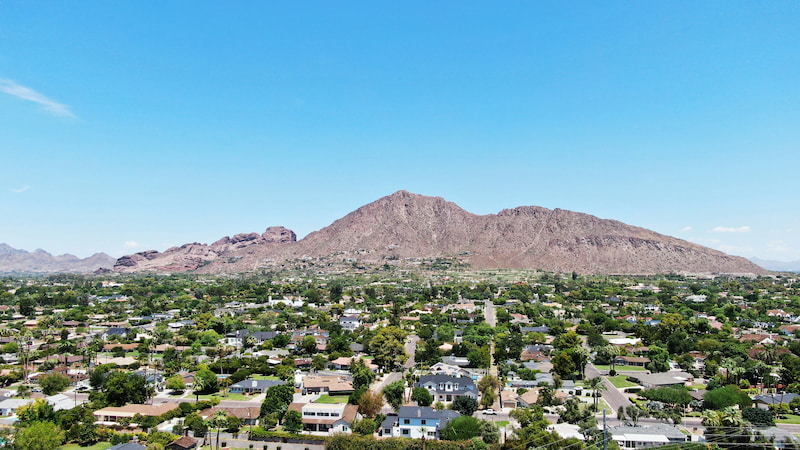
Buckeye is Arizona's largest city by land, and its growth keeps moving west. Communities like Verrado, Festival, and Sundance mix new construction with open desert. Large lots and wide setbacks are common here, which changes how a block wall should be built.
Open desert exposure means Buckeye properties take the full force of summer heat, blowing dust, and monsoon wind. The soil is often expansive clay that moves with moisture. Walls built with shallow footings or no reinforcement tend to crack and lean within a few years.
Because lot sizes are larger, perimeter walls run longer and paver driveways cover more ground. That makes the base work under both even more important. A compacted aggregate base and a footing below the active clay layer are what keep a Buckeye wall standing.
Buckeye Community Profile & Backyard Factors
Ranked among the nation's fastest-growing cities, with thousands of new custom and master-planned homes built annually.
Dramatic desert slope transitions in Verrado and Tartesso contrast with expansive agricultural alluvial flats south of I-10.
Unobstructed desert wind and dust storms demand wind-rated perimeter masonry that outlasts conventional wood or vinyl fencing.
Wide residential parcels frequently incorporate heavy commercial-grade masonry pillars for rolling double RV gates and utility trailers.
Moisture fluctuations in former farm soils cause unreinforced walls to bow; continuous reinforced grade beams mitigate ground settling.
Buckeye families maximize expansive yards with multi-tier paver patios, freestanding shade pergolas, and gas fire pits.